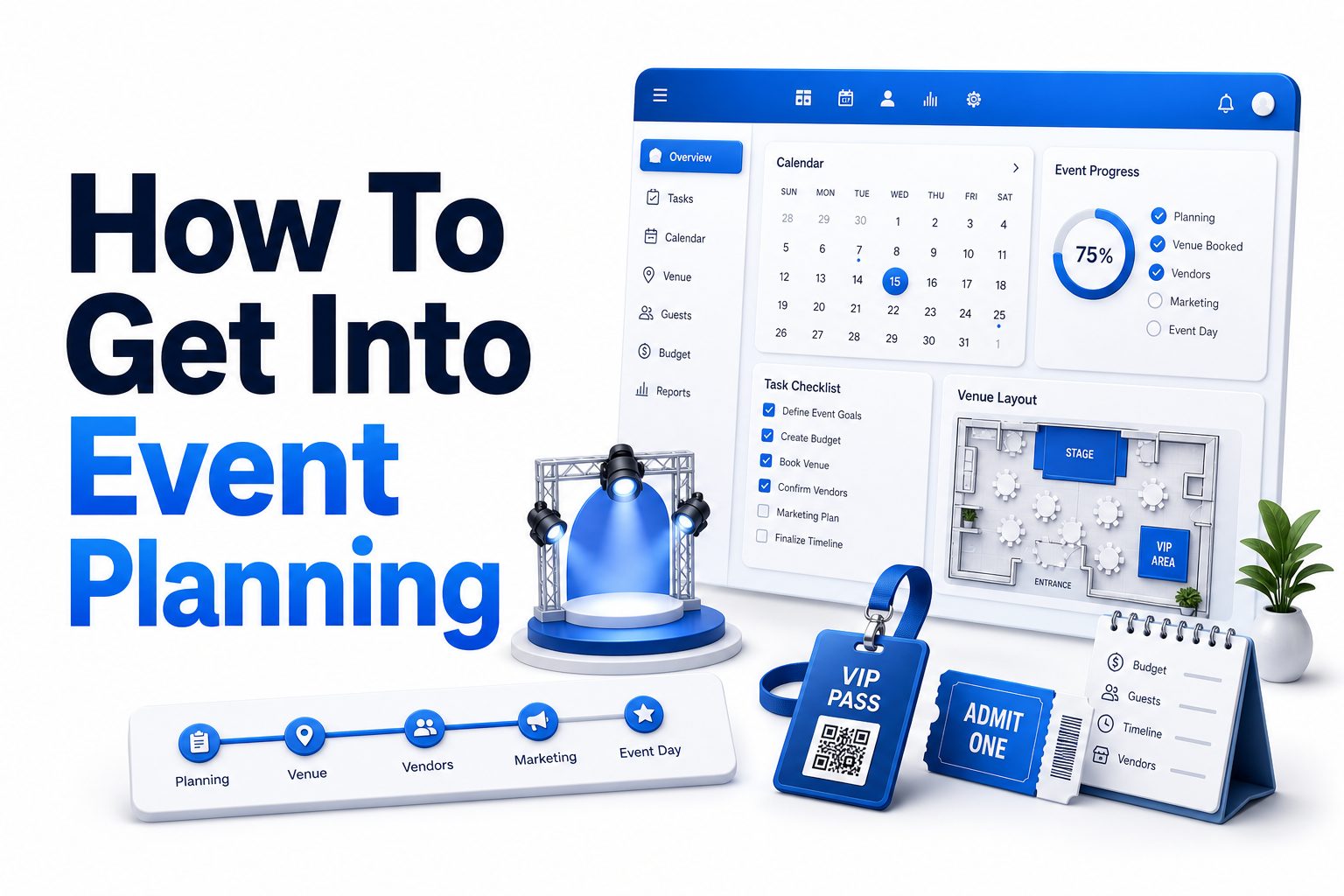
If you enjoy organizing details, solving problems under pressure, and creating memorable experiences, event planning can be a rewarding career path. Many people search for how to get into event planning because the field feels exciting but also unclear from the outside. There is no single required degree, license, or fixed route, which makes the industry flexible but sometimes confusing for beginners.
Event planners work across weddings, corporate meetings, conferences, nonprofit fundraisers, festivals, private parties, trade shows, and brand activations. The work blends creativity with logistics, budgeting, vendor coordination, client service, and fast decision-making. This article breaks down the practical steps to enter the industry, build confidence, gain experience, and position yourself for paid opportunities. Whether you want a full-time planning job, a freelance side business, or your own event company, the right foundation will help you move from interest to action with more clarity.
What Event Planning Really Involves
Event planning is more than choosing flowers, venues, food, or decorations. A planner manages timelines, budgets, contracts, suppliers, guest flow, transportation, risk, staffing, and client expectations. The final event may look effortless, but the planning work is highly structured and detail-driven.
A strong planner thinks ahead and notices what others miss. If a speaker runs late, a caterer needs access, or weather changes the setup, the planner must respond quickly. This career suits people who can stay calm, communicate clearly, and keep several moving parts aligned.
Choose the Type of Events You Want to Plan
Before looking for jobs or clients, decide which event category interests you most. Weddings, corporate events, conferences, social events, luxury parties, nonprofit galas, and festivals each require different skills, contacts, and workflows. Choosing a focus helps you build relevant experience faster.
You can change direction later, but early focus makes your learning more practical. For example, a wedding planner needs strong design sense and family communication skills, while a corporate event planner needs comfort with agendas, stakeholders, branding, and business goals.
Beginner Event Planning Paths
- Wedding planning assistant
- Venue coordinator
- Corporate event assistant
- Catering or banquet staff member
- Nonprofit fundraising event volunteer
- Conference registration support
- Festival operations crew
- Freelance party planner for small private events
Build the Core Skills Event Planners Need
Event planners rely on organization, communication, negotiation, budgeting, creativity, and patience. These skills matter more than glamorous ideas because most event problems come from missed details, unclear expectations, or weak follow-through. Strong systems keep clients, vendors, and timelines moving smoothly.
You can build these skills before landing a formal job. Plan a community fundraiser, organize a work meeting, coordinate a birthday party, or help with a local charity event. Treat each small project like a professional assignment and document what you learned.
Learn the Business Side of Events
Creative taste matters, but the business side keeps events profitable and professional. You need to know how budgets work, how vendors quote services, how deposits are handled, and how contracts protect everyone involved. Even beginner planners should learn basic financial terms.
If you plan to freelance, business knowledge becomes even more important. Pricing, invoicing, client onboarding, insurance, taxes, and cancellation policies affect your income and reputation. A planner who understands numbers can make better recommendations and avoid costly mistakes.
Skills Checklist for New Event Planners
- Create detailed timelines and production schedules
- Track expenses against a working budget
- Communicate professionally with clients and vendors
- Read contracts before agreeing to terms
- Build contingency plans for common risks
- Manage guest lists, RSVPs, and seating needs
- Stay calm when last-minute issues appear
- Follow up after the event for feedback
Get Hands-On Experience Before Charging Premium Rates
Experience is the fastest way to learn how events actually work. Volunteer for local events, assist established planners, work at venues, or take temporary roles with catering companies and production teams. These positions show you the pace, pressure, and coordination required onsite.
Do not dismiss entry-level work because it feels small. Setting chairs, checking in guests, packing decor, or managing vendor arrivals teaches practical details that office planning alone cannot provide. Those early experiences help you become more realistic, reliable, and confident.
Create a Simple Event Planning Portfolio
A portfolio helps people trust your ability before you have years of paid work. Include photos, timelines, budgets, mood boards, vendor lists, testimonials, and short descriptions of events you helped plan. Focus on your role and the results, not just pretty images.
If you have not planned paid events yet, use styled shoots, volunteer projects, mock proposals, or personal events. Show that you can think like a planner. A clean portfolio can also support applications for internships, assistant roles, or freelance opportunities.
Portfolio Comparison Table
Portfolio Item | Why It Matters | Beginner Example
Event photos | Shows visual quality and execution | Birthday party, charity setup, styled table
Timeline sample | Proves planning structure | Wedding day schedule or conference agenda
Budget sample | Shows financial awareness | Small fundraiser cost breakdown
Vendor list | Shows coordination ability | Caterer, venue, florist, rental company
Testimonial | Builds trust | Quote from volunteer organizer or client
Take Relevant Courses Without Overdoing It
Formal education can help, but it is not always required. Courses in event management, hospitality, marketing, public relations, or project management can make you more employable. Certifications may be useful when they teach practical planning, budgeting, contracts, and vendor management.
Avoid spending heavily on training before testing the field. Start with affordable courses, local workshops, webinars, or community college options. The goal is not to collect certificates; it is to gain knowledge you can apply in real planning situations.
Network With Vendors, Venues, and Planners
Relationships drive the event industry. Venues, caterers, photographers, florists, AV teams, rental companies, and planners often refer work to people they trust. Introduce yourself professionally, attend local industry events, and follow up without being pushy or transactional.
Networking works best when you offer value first. Help at events, share referrals, support vendor posts, or ask thoughtful questions about their process. Over time, these connections can lead to assistant roles, subcontracting work, preferred vendor lists, and client referrals.
Practical Networking Tips
- Attend venue open houses and supplier showcases
- Join local event professional associations
- Follow up within two days after meeting someone
- Keep messages short, specific, and professional
- Ask about shadowing or assisting opportunities
- Refer good vendors when appropriate
- Maintain a simple contact spreadsheet
- Thank people after they give advice or referrals
Look for Entry-Level Event Jobs
Entry-level roles can give you steady exposure to planning systems, client communication, and event-day operations. Search for titles such as event assistant, event coordinator, banquet coordinator, venue assistant, conference assistant, catering coordinator, or marketing events assistant.
Large hotels, universities, nonprofits, corporations, convention centers, and event agencies often hire junior staff. These roles may include administrative tasks, but they teach the behind-the-scenes structure that supports larger events. That experience can become a strong foundation for future growth.
Start Small With Freelance Event Planning
Freelancing can begin with birthdays, showers, small business launches, community events, and private dinners. Start with manageable events where the risk is lower and expectations are clear. Use written agreements even for small jobs to define scope, payment, deadlines, and responsibilities.
Charge fairly for your experience level, but avoid undervaluing your time. If you offer discounted rates at first, frame them as introductory pricing. Track your hours carefully so you can adjust packages and pricing as your confidence and workload increase.
Entry-Level Job Options
Role | Best For | What You Learn
Venue assistant | Logistics-focused beginners | Layouts, vendor access, timelines
Catering coordinator | Detail-oriented planners | Food service flow and staffing
Event agency assistant | Fast-paced learners | Client projects and production
Nonprofit event assistant | Mission-driven planners | Fundraising and sponsor needs
Hotel banquet staff | Hands-on beginners | Guest service and room setup
Learn How to Price Your Services
Pricing is one of the hardest parts for new planners. Common models include hourly rates, flat packages, partial planning fees, day-of coordination, and percentage-based pricing. Your pricing should reflect time, complexity, experience, overhead, and the value you provide.
Do not price only by event size. A small private dinner can require many custom details, while a larger event may follow a repeatable format. Build pricing around scope, deadlines, number of vendors, guest count, travel, meetings, and onsite hours.
Build Vendor and Venue Knowledge
Knowing vendors helps you recommend realistic options for clients. Learn how caterers price menus, how venues handle load-in, how rental minimums work, and how florists estimate arrangements. This knowledge makes your planning advice more practical and trustworthy.
Visit venues when possible and ask about capacity, parking, accessibility, noise limits, insurance requirements, and preferred vendor rules. Keep notes organized by location and service type. Over time, this database becomes one of your most valuable professional assets.
Pricing Factors to Consider
- Planning hours before the event
- Onsite hours during setup and breakdown
- Guest count and vendor count
- Event complexity and number of locations
- Travel time and transportation costs
- Client meetings and revision rounds
- Emergency planning and backup coordination
- Software, insurance, marketing, and admin costs
Use Event Planning Tools and Systems
Professional planners rely on systems to prevent missed details. Calendars, spreadsheets, project management tools, floor plan software, budgeting templates, and shared documents help keep clients and vendors aligned. A clear system also reduces stress when the event date approaches.
Start with simple tools before buying expensive software. Google Sheets, Trello, Asana, Notion, Canva, and calendar reminders can handle many beginner projects. As your business grows, you can add event-specific platforms for seating charts, registration, proposals, and client portals.
Create Repeatable Planning Templates
Templates save time and improve consistency. Build reusable files for client questionnaires, vendor contact sheets, event timelines, budget trackers, packing lists, run-of-show documents, and post-event follow-ups. Each event will still be unique, but your process should not start from zero.
Refine your templates after every event. If a task was missed, add it. If a vendor needed information earlier, adjust the timeline. This habit helps you grow faster and makes your planning process more professional with every project.
Useful Planning Templates
- Client intake questionnaire
- Event budget tracker
- Vendor contact sheet
- Master planning timeline
- Event-day run sheet
- Decor and rental inventory list
- Guest list and RSVP tracker
- Post-event feedback form
Market Yourself With a Clear Niche
Marketing becomes easier when people know what you do best. Instead of saying you plan all events, describe your strongest category, style, location, or audience. For example, you might focus on intimate weddings, nonprofit fundraisers, corporate retreats, or creative brand launches.
Your website, social media, portfolio, and introductions should all support the same message. A clear niche helps clients remember you and helps search engines connect your content with relevant searches. You can link readers to [Internal Link: event planning career path] for related guidance.
Use Local SEO to Attract Clients
Event planning is often location-based, so local SEO matters. Add your city or service area to website pages, portfolio descriptions, image alt text, and business listings. Phrases like “event planner in Austin” or “corporate event coordinator in Denver” can attract ready-to-hire clients.
Create helpful local content, such as venue roundups, planning timelines, seasonal event tips, and vendor checklists. These articles show expertise while bringing search traffic. A page such as [Internal Link: event planning services] can also guide visitors toward booking a consultation.
Local Marketing Ideas
- Create a Google Business Profile
- Publish local venue guides
- Share real event case studies
- Ask happy clients for reviews
- Partner with photographers and caterers
- Attend business networking events
- Optimize service pages for your city
- Post behind-the-scenes planning content
Prepare for Event-Day Pressure
Event days are physically and mentally demanding. You may stand for hours, answer constant questions, solve unexpected problems, and manage emotional clients. Preparation helps, but flexibility matters just as much. A planner must lead calmly when others feel rushed.
Pack an emergency kit with tape, scissors, chargers, stain remover, pens, safety pins, snacks, water, printed timelines, and vendor contacts. Arrive early, walk the space, confirm setup details, and keep communication short and direct throughout the event.
Protect Yourself With Contracts and Insurance
Contracts make your work clearer and safer. A good agreement defines your services, payment schedule, cancellation terms, refund policy, liability limits, communication expectations, and overtime fees. Do not rely on casual messages when money and major events are involved.
Business insurance is also worth considering, especially if you manage vendors, guests, venues, or equipment. General liability coverage can protect you from certain claims. Ask a qualified insurance professional what applies to your location, business model, and event type.
Event-Day Essentials
- Printed timeline and digital backup
- Vendor phone numbers
- Floor plan and setup notes
- Emergency kit
- Client contact details
- Payment records and final balances
- Weather backup plan
- Comfortable professional clothing
- Portable charger
- Clear breakdown checklist
Grow From Assistant to Lead Planner
Moving from assistant to lead planner requires more than time. You need to show judgment, reliability, client confidence, and the ability to own decisions. Ask for more responsibility gradually, such as managing vendor confirmations or leading setup for one part of the event.
Track your wins and lessons after every project. Note the guest count, budget range, vendor count, challenges, and results. This record helps you update your resume, improve your portfolio, and explain your experience clearly when applying for bigger roles.
Decide Between Employment and Entrepreneurship
Working for a company gives structure, mentorship, steady pay, and access to larger events. It is a strong path if you want to learn fast without handling every business responsibility. You can build experience while seeing how professionals manage clients and operations.
Starting your own business gives freedom but requires sales, marketing, admin, bookkeeping, and risk management. Many planners begin part-time before going full-time. This allows you to test your services, refine pricing, and build referrals without immediate pressure.
Employment vs Freelance Planning
Option | Main Advantage | Main Challenge
Full-time role | Stable income and training | Less control over clients
Agency work | Variety and fast learning | High workload during busy seasons
Venue role | Steady event exposure | Limited planning scope
Freelance | Flexible services and pricing | Must find your own clients
Business owner | Full control and growth potential | More financial responsibility
Conclusion
Getting started in event planning is less about waiting for the perfect credential and more about building useful experience, strong systems, and trusted relationships. The best planners combine creativity with discipline. They know how to listen, organize, negotiate, communicate, and adapt when plans change.
If you are learning how to get into event planning, begin with small but real steps. Volunteer, assist professionals, study budgets, create templates, build a portfolio, and talk to vendors in your area. Choose a niche as your experience grows, then use local marketing and referrals to attract better opportunities. The industry rewards people who are dependable, prepared, and calm under pressure. With steady practice and a professional approach, you can turn an interest in events into a practical career path.
FAQ
How long does it take to become an event planner?
Many beginners gain basic experience within three to six months through volunteering, assistant roles, or small freelance projects. Building a full-time career or profitable business usually takes one to three years of consistent work.
Do I need a degree for event planning?
A degree is not required for many event planning roles. Hospitality, marketing, communications, or business education can help, but hands-on experience, organization, vendor knowledge, and strong client service often matter more to employers and clients.
What is the best first job in event planning?
A venue assistant, catering coordinator, or event assistant role is a strong starting point. These jobs expose you to timelines, setup, vendors, guest needs, and real event pressure without requiring you to lead everything alone.
Can I start event planning from home?
Yes, many planners start from home using online tools, local networking, and small client projects. You will still need to visit venues, meet vendors, and attend events in person as your work becomes more active.
How do event planners find clients?
Event planners find clients through referrals, vendor relationships, local SEO, social media, networking events, venue partnerships, and reviews. Clear positioning helps too, because clients are more likely to hire someone who specializes in their event type.
0 Comments